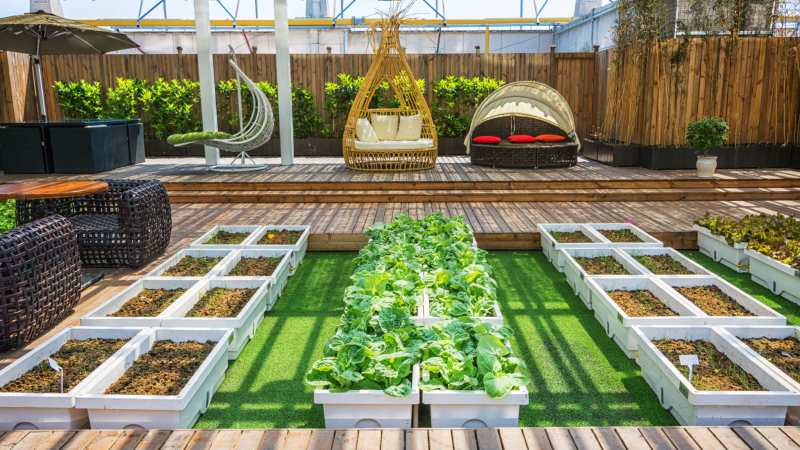
A well-designed landscape can transform any outdoor space into a beautiful and functional extension of your home. Whether you have a large yard or a small garden, the key to successful landscaping lies in balancing aesthetics with practicality. Many homeowners focus only on visual appeal, but without proper planning, the space may become difficult to maintain or use.
Understanding How to Design a Landscape That Is Both Practical and Visually Appealing helps you create an outdoor environment that not only looks great but also serves your everyday needs. This guide provides simple, clear, and practical tips to help you design a landscape that is both efficient and attractive.
Why Landscape Design Matters
Landscape design plays a significant role in enhancing the overall look and functionality of your property. A thoughtful design can increase property value, improve outdoor living, and create a relaxing environment.
Key Benefits of Good Landscaping
- Improves curb appeal
- Creates usable outdoor spaces
- Enhances comfort and relaxation
- Reduces maintenance challenges
- Supports environmental sustainability
By following How to Design a Landscape That Is Both Practical and Visually Appealing, homeowners can achieve a perfect balance between beauty and usability.
Start with a Clear Plan
Before starting any landscaping project, planning is essential. A clear plan helps avoid costly mistakes and ensures that every element has a purpose.
What to Consider
Purpose of the Space
Decide how you want to use your yard—whether for relaxing, entertaining, gardening, or family activities.
Climate and Environment
Choose plants and materials that suit your local weather conditions.
Budget
Set a realistic budget to guide your decisions.
Maintenance Level
Consider how much time you can spend maintaining the landscape.
Planning is the foundation of How to Design a Landscape That Is Both Practical and Visually Appealing.
Divide the Space into Functional Zones
A well-organized landscape includes different zones, each serving a specific purpose.
Common Zones
Seating Area
A patio or deck where you can relax or entertain guests.
Garden Area
A space dedicated to plants, flowers, or vegetables.
Walkways
Paths that improve accessibility and movement.
Play Area
Open space for children or outdoor activities.
Dividing the yard into zones improves both functionality and visual structure.
Choose the Right Plants
Plants are the heart of any landscape design. Choosing the right ones ensures long-term success.
Tips for Plant Selection
- Select plants suitable for your climate
- Mix different heights and textures
- Choose low-maintenance varieties
- Include seasonal plants for year-round interest
The right plant choices are a major part of How to Design a Landscape That Is Both Practical and Visually Appealing.
Focus on Hardscaping Elements
Hardscaping refers to non-living features like paths, patios, and walls. These elements add structure and improve usability.
Important Hardscape Features
Walkways
Guide movement and protect grass from wear.
Patios
Provide space for seating and outdoor dining.
Retaining Walls
Help manage slopes and prevent soil erosion.
Edging
Defines garden beds and keeps the space neat.
Hardscaping supports both the practical and visual aspects of your landscape.
Balance Beauty with Maintenance
A beautiful landscape should not become difficult to maintain. Designing with maintenance in mind saves time and effort.
Maintenance-Friendly Tips
- Use mulch to reduce weeds
- Install efficient irrigation systems
- Avoid overcrowding plants
- Choose durable materials
These strategies help maintain the goals of How to Design a Landscape That Is Both Practical and Visually Appealing.
Use Lighting to Enhance the Space
Outdoor lighting improves both safety and appearance.
Benefits of Landscape Lighting
- Makes pathways safer at night
- Highlights key features
- Creates a warm and inviting atmosphere
- Extends outdoor usability
Proper lighting adds depth and functionality to your landscape.
Improve Drainage and Water Management
Good drainage is essential for a healthy landscape.
Drainage Solutions
- Grade the land properly
- Use permeable materials
- Install drainage systems where needed
- Avoid water accumulation near structures
Managing water effectively prevents damage and supports plant health.
Add Personal Style
Your landscape should reflect your personality and preferences.
Ways to Personalize Your Space
- Add decorative elements like planters or sculptures
- Choose colors and materials that match your home
- Include features like pergolas or fire pits
- Create cozy seating areas
Personal touches make the landscape feel unique and inviting.
Design for Small Spaces
Even small yards can be functional and beautiful with the right approach.
Tips for Small Landscapes
- Use vertical gardening
- Keep the design simple
- Choose compact furniture
- Avoid clutter
Smart design choices can make small spaces feel larger and more useful.
Avoid Common Landscaping Mistakes
Mistakes in landscape design can reduce both beauty and functionality.
Common Mistakes
- Overplanting
- Ignoring maintenance needs
- Poor drainage planning
- Using too many design elements
- Choosing plants that do not suit the environment
Avoiding these errors is key to achieving How to Design a Landscape That Is Both Practical and Visually Appealing.
Long-Term Benefits of a Well-Designed Landscape
A balanced landscape provides long-term advantages for homeowners.
Key Benefits
- Increased property value
- Reduced maintenance costs
- Improved outdoor living experience
- Better environmental impact
- Enhanced visual appeal
These benefits show why careful planning and design are worth the effort.
Create a Sustainable Landscape
Sustainability is becoming an important part of modern landscaping.
Sustainable Practices
- Use native plants
- Reduce water usage
- Minimize chemical use
- Recycle garden waste
Sustainable landscaping supports both the environment and long-term efficiency.
Final Thoughts
Designing a landscape that is both practical and visually appealing requires thoughtful planning, smart choices, and attention to detail. By balancing functionality with beauty, homeowners can create outdoor spaces that are not only attractive but also easy to use and maintain.
This guide on How to Design a Landscape That Is Both Practical and Visually Appealing highlights the importance of planning, zoning, plant selection, and maintenance. With the right approach, any outdoor space can become a valuable and enjoyable part of your home.