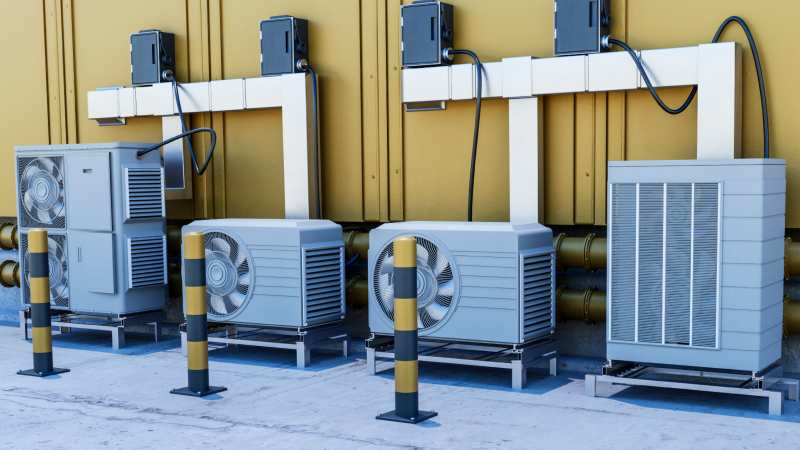
A commercial cooling system is essential for maintaining a comfortable environment in offices, retail spaces, restaurants, and industrial facilities. However, when the system is not working efficiently, it can quietly increase your energy bills, repair costs, and overall expenses. Many business owners overlook the early warning signs, which leads to bigger and more costly problems over time.
In this detailed guide, we will explore the most common indicators that your cooling system may be draining your budget and what you can do to fix it.
Why Cooling Efficiency Matters
An efficient cooling system not only keeps indoor temperatures comfortable but also helps control operational costs. Poor performance can lead to higher electricity usage, frequent repairs, and reduced equipment lifespan.
Recognizing issues early is the key to avoiding unnecessary expenses and ensuring your system operates at its best.
1. Rising Energy Bills
One of the first signs that something is wrong is a sudden increase in energy bills. If your usage habits have not changed but your bills keep rising, your cooling system may be working harder than necessary.
This inefficiency often results from dirty filters, aging components, or poor maintenance. Over time, this becomes a major contributor to high operating costs.
2. Inconsistent Cooling Performance
If some areas of your building are too cold while others remain warm, your system is not distributing air properly. Uneven cooling can indicate duct issues, thermostat problems, or system imbalance.
This not only affects comfort but also forces the system to run longer, increasing energy consumption.
3. Frequent Repairs
Needing constant repairs is a clear sign that your system is no longer reliable. While occasional maintenance is normal, repeated breakdowns can quickly add up in cost.
In many cases, frequent repairs suggest that the system is nearing the end of its lifespan, making replacement a more cost-effective option.
4. Unusual Noises
Commercial cooling systems should operate relatively quietly. If you hear grinding, banging, or squealing sounds, it may indicate mechanical issues.
Ignoring these noises can lead to serious damage and expensive repairs, making it important to address them immediately.
5. Poor Airflow
Weak airflow is another warning sign that your system is struggling. This could be due to clogged filters, blocked ducts, or failing fans.
Poor airflow forces the system to work harder, which increases energy usage and reduces overall efficiency. Addressing airflow issues can significantly improve performance.
6. Bad Odors
Unpleasant smells coming from your cooling system can indicate mold growth, dirty filters, or electrical problems. These issues not only affect indoor air quality but can also signal deeper system inefficiencies.
Maintaining clean components is essential for both health and cost savings.
7. System Running Constantly
If your cooling system seems to run non-stop, it is likely struggling to maintain the desired temperature. This continuous operation increases wear and tear and leads to higher energy bills.
This is a key indicator discussed in 10 Warning Signs Your Commercial Cooling System Is Costing You More Than Expected, as it directly impacts long-term expenses.
8. Outdated Equipment
Older systems are generally less efficient than modern ones. As technology improves, newer systems are designed to consume less energy while delivering better performance.
If your system is more than 10–15 years old, upgrading to a newer model can save you money in the long run.
9. High Humidity Levels
A properly functioning cooling system should regulate humidity levels. If your space feels humid or sticky, your system may not be removing moisture effectively.
High humidity not only affects comfort but can also damage equipment and increase maintenance costs.
10. Lack of Regular Maintenance
Skipping regular maintenance is one of the biggest reasons cooling systems become inefficient. Without proper care, small issues can turn into major problems.
Routine inspections, cleaning, and servicing help keep your system running efficiently and prevent costly breakdowns.
How to Reduce Cooling Costs
After identifying the warning signs, the next step is to take action. Here are some practical ways to reduce costs and improve efficiency:
Schedule Regular Maintenance
Professional servicing ensures all components are working properly and helps identify issues early.
Replace Air Filters
Clean filters improve airflow and reduce the strain on your system.
Upgrade to Energy-Efficient Systems
Modern systems are designed to use less energy and provide better performance.
Seal Ducts and Improve Insulation
Preventing air leaks helps maintain consistent temperatures and reduces energy waste.
Use Smart Thermostats
Smart controls allow better temperature management and energy savings.
Implementing these steps can help you avoid the problems highlighted in 10 Warning Signs Your Commercial Cooling System Is Costing You More Than Expected.
Benefits of an Efficient Cooling System
Investing in efficiency offers several advantages:
- Lower energy bills
- Improved indoor comfort
- Better air quality
- Longer equipment lifespan
- Reduced environmental impact
These benefits make it clear why maintaining your cooling system is so important.
When to Repair vs Replace
One common question is whether to repair or replace a cooling system. The answer depends on several factors:
- Age of the system
- Frequency of repairs
- Cost of repairs compared to replacement
- Energy efficiency
If repair costs are high and the system is old, replacement is often the better choice.
Common Mistakes to Avoid
Avoiding these mistakes can help you save money and improve system performance:
- Ignoring early warning signs
- Delaying maintenance
- Choosing the cheapest repair option
- Overworking the system without proper care
Being proactive is always more cost-effective than dealing with major problems later.
Final Thoughts
A commercial cooling system is a significant investment, and keeping it in good condition is essential for controlling costs and maintaining comfort. By paying attention to early warning signs and taking timely action, you can avoid unnecessary expenses and extend the life of your system.
Understanding the issues discussed in 10 Warning Signs Your Commercial Cooling System Is Costing You More Than Expected allows you to make informed decisions and protect your business from rising operational costs.
In the end, regular maintenance, smart upgrades, and proper usage are the keys to ensuring your cooling system remains efficient, reliable, and cost-effective for years to come.