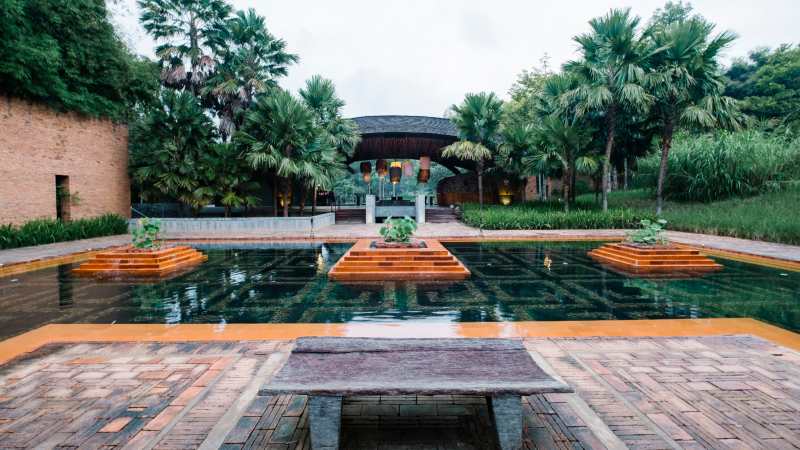
A well-designed landscape can transform an ordinary outdoor space into a relaxing, attractive, and functional environment. Whether you have a large backyard or a small garden, thoughtful landscape planning helps create a space that looks beautiful while also serving everyday needs. Many homeowners focus only on aesthetics, but the most successful landscapes combine visual appeal with practical use.
Designing a Landscape That Is Both Practical and Visually Stunning requires careful planning, smart plant choices, and a balanced layout that works for both people and nature. In this guide, we will explore essential ideas, design principles, and practical guidelines to help you create a landscape that enhances your property and improves outdoor living.
Why Landscape Design Matters
Landscape design is more than simply planting flowers or placing decorative elements in the yard. A good design improves the functionality of outdoor spaces and increases the overall value of a property.
A thoughtfully designed landscape can:
- Improve curb appeal
- Create relaxing outdoor living areas
- Provide shade and comfort
- Reduce soil erosion
- Support local plants and wildlife
When homeowners focus on Designing a Landscape That Is Both Practical and Visually Stunning, they create an outdoor environment that is both enjoyable and efficient.
Start with a Clear Plan
The first step in successful landscape design is planning. Jumping into planting or construction without a clear plan often leads to wasted time and resources.
Consider the Following Factors
- Yard size and shape
- Sunlight and shade patterns
- Soil type and drainage
- Climate conditions
- Existing structures and trees
Sketching a basic layout helps visualize how different elements will fit together. Planning ensures that every feature has a purpose and contributes to the overall design.
Define Functional Outdoor Spaces
A practical landscape includes areas designed for specific activities. Instead of leaving the yard as one open space, divide it into functional zones.
Common Outdoor Zones
Relaxation Area
A seating area with chairs, benches, or a small patio can become a comfortable place to unwind.
Dining Space
Outdoor dining areas are perfect for family meals or gatherings.
Play Area
If children live in the home, a safe and open play area is important.
Garden Zone
Dedicated garden beds allow plants and vegetables to grow without interfering with other activities.
These defined spaces are essential when Designing a Landscape That Is Both Practical and Visually Stunning because they improve both organization and usability.
Choose the Right Plants
Plants are the heart of any landscape. However, choosing the right plants is crucial for both appearance and maintenance.
Tips for Selecting Plants
- Choose plants suited to your climate.
- Use a mix of trees, shrubs, and flowers.
- Select low-maintenance varieties if possible.
- Consider seasonal changes.
Combining evergreen plants with seasonal flowers ensures the yard remains attractive throughout the year.
Create Visual Balance
Balance is an important design principle in landscaping. A balanced yard feels natural and visually pleasing.
Types of Landscape Balance
Symmetrical Balance
Both sides of the landscape mirror each other.
Asymmetrical Balance
Different elements create visual harmony without exact matching.
For example, a large tree on one side of the yard may be balanced by a group of smaller shrubs on the other side.
Balance plays a key role in Designing a Landscape That Is Both Practical and Visually Stunning, helping the space feel organized rather than chaotic.
Incorporate Hardscape Elements
Hardscaping refers to non-plant features that add structure to the landscape.
Popular Hardscape Features
- Stone pathways
- Patios and decks
- Retaining walls
- Decorative gravel areas
- Garden borders
Hardscape elements provide durability and reduce maintenance. They also guide movement throughout the yard, making outdoor spaces easier to navigate.
Focus on Pathways and Movement
Pathways improve accessibility and guide visitors through the landscape.
Pathway Design Tips
- Use natural materials such as stone or brick.
- Create gentle curves rather than straight lines.
- Ensure pathways are wide enough for comfortable walking.
Well-designed paths connect different areas of the yard and enhance the overall layout.
Add Lighting for Safety and Beauty
Outdoor lighting improves both safety and atmosphere.
Types of Landscape Lighting
- Pathway lights
- Accent lights for trees
- Deck and patio lighting
- Soft garden lighting
Proper lighting highlights key features and allows homeowners to enjoy their outdoor space even after sunset.
Lighting is another important element when Designing a Landscape That Is Both Practical and Visually Stunning.
Use Color and Texture Wisely
Color adds personality to any landscape design. However, too many colors can feel overwhelming.
Color Tips
- Use a limited color palette.
- Combine warm and cool tones carefully.
- Plant flowers that bloom at different times of the year.
Texture is equally important. Mixing plants with different leaf shapes and sizes creates depth and visual interest.
Manage Water and Drainage
A beautiful yard must also handle water effectively. Poor drainage can damage plants and structures.
Solutions for Good Drainage
- Slightly sloped lawns
- Gravel beds
- Rain gardens
- Properly placed gutters
Efficient water management keeps the landscape healthy and prevents long-term problems.
Consider Sustainability
Modern landscape design often includes environmentally friendly practices.
Sustainable Landscaping Ideas
- Use native plants
- Install rainwater collection systems
- Reduce lawn size
- Use mulch to retain soil moisture
These methods reduce water usage and support the natural environment.
Sustainability strengthens the concept of Designing a Landscape That Is Both Practical and Visually Stunning by making the yard efficient and eco-friendly.
Keep Maintenance in Mind
Some landscapes look beautiful at first but require constant maintenance. A practical design should be easy to care for.
Maintenance Tips
- Choose hardy plants
- Avoid overcrowding plant beds
- Install irrigation systems if needed
- Trim trees and shrubs regularly
Planning for maintenance ensures the landscape remains attractive over time.
Avoid Common Landscaping Mistakes
Even well-intentioned projects can face challenges if certain mistakes are made.
Mistakes to Avoid
- Planting trees too close to structures
- Ignoring plant growth size
- Using too many decorative elements
- Overwatering plants
- Blocking natural sunlight
Avoiding these errors helps maintain both beauty and practicality.
Enhancing Property Value
A thoughtfully designed landscape can significantly increase property value.
Homebuyers often appreciate features such as:
- Attractive gardens
- Outdoor seating areas
- Well-maintained lawns
- Functional walkways
A balanced and organized outdoor space creates a strong first impression.
Seasonal Landscape Planning
Different seasons require different landscaping strategies.
Spring
- Plant flowers and shrubs.
- Prepare soil and garden beds.
Summer
- Maintain watering and trimming.
- Add outdoor furniture.
Fall
- Clean fallen leaves.
- Prepare plants for cooler temperatures.
Winter
- Protect sensitive plants.
- Plan improvements for the coming year.
Seasonal planning ensures the yard remains attractive throughout the year.
Long-Term Landscape Improvement
Landscaping is not always completed in one project. Many homeowners improve their outdoor spaces gradually.
Start with essential elements such as pathways and plant beds. Later, add decorative features like fountains, pergolas, or garden sculptures.
Step-by-step improvements make the process more affordable and manageable.
Final Thoughts
A successful landscape combines beauty, comfort, and practicality. Instead of focusing only on decoration, homeowners should consider how outdoor spaces will be used and maintained.
By planning carefully, choosing suitable plants, adding functional zones, and incorporating durable hardscape elements, anyone can create a yard that is both attractive and useful.
Ultimately, Designing a Landscape That Is Both Practical and Visually Stunning is about achieving harmony between nature and human needs. With thoughtful design and consistent care, your outdoor space can become a peaceful retreat that enhances both your home and your lifestyle.