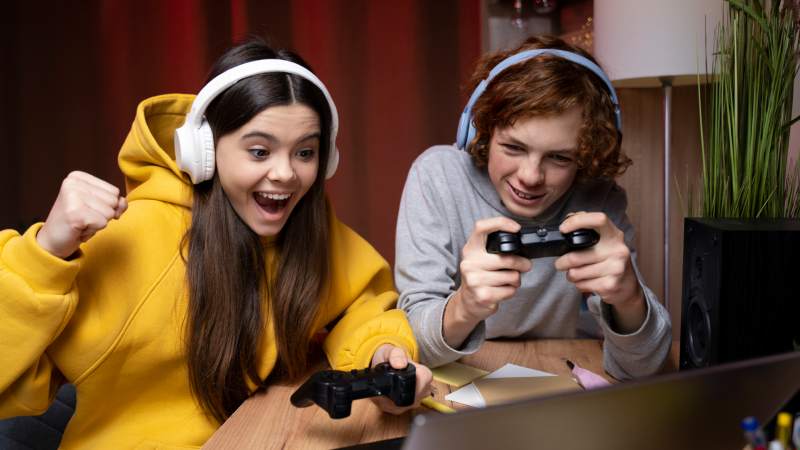
Online gaming has become a major part of modern entertainment, connecting players across the world through shared challenges, competition, and creativity. As games grow more complex, players often look for ways to improve their skills, understand mechanics, and enjoy smoother gameplay. Learning how to approach games thoughtfully can turn frustration into progress and casual play into a rewarding experience. This article explores practical gaming concepts, habits, and strategies inspired by the hearthssgaming approach, focusing on clarity, consistency, and long-term improvement.
Understanding the Modern Gaming Environment
Today’s games are more detailed than ever before. They include layered mechanics, strategic choices, progression systems, and competitive elements that require attention and learning. Unlike older games, modern titles often expect players to understand systems rather than simply react.
To succeed, players must balance:
- Mechanical skill
- Game knowledge
- Decision-making
- Mental focus
A structured mindset helps players adapt more quickly and avoid common mistakes. The hearthssgaming style emphasizes understanding the game before trying to master it.
The Importance of Learning Fundamentals
Every skilled player starts with the basics. Fundamentals form the backbone of good gameplay, regardless of genre or difficulty level.
Core Mechanics
These include movement, controls, timing, and interaction with the game environment. Mastering these basics improves confidence and reduces unnecessary errors.
Game Objectives
Understanding what actually leads to victory is essential. Many players focus on flashy moments instead of objectives, which often results in losses.
Resource Awareness
Most games include limited resources such as energy, cooldowns, items, or time. Using them wisely creates consistent advantages.
Learning fundamentals first is one of the key principles behind hearthssgaming and is essential for steady growth.
Developing Smarter Decision-Making Skills
Good decision-making separates average players from strong ones. Skill alone cannot compensate for poor choices.
Thinking Ahead
Anticipating outcomes before acting helps avoid risky mistakes. This includes predicting opponent behavior and understanding consequences.
Knowing When to Act
Timing is crucial. Acting too early or too late can waste opportunities.
Avoiding Emotional Decisions
Frustration leads to poor choices. Staying calm improves clarity and control during intense moments.
Players who practice thoughtful decision-making tend to perform better over time.
Consistency Over Short-Term Success
Many players chase quick wins or dramatic improvements. However, long-term consistency is more valuable.
Building Habits
Simple habits like warming up, reviewing mistakes, and practicing regularly lead to gradual improvement.
Accepting Losses
Losses are part of learning. Viewing them as feedback rather than failure reduces frustration.
Tracking Progress
Noticing small improvements keeps motivation high and encourages continued effort.
The hearthssgaming mindset promotes steady development rather than unrealistic expectations.
Understanding Playstyles and Personal Strengths
No two players are exactly alike. Recognizing personal strengths allows players to choose strategies that suit them best.
Aggressive Players
Prefer fast-paced action and pressure-based strategies. This style rewards confidence and quick reactions.
Defensive Players
Focus on positioning, patience, and minimizing mistakes. This style benefits players with strong awareness.
Support-Oriented Players
Emphasize teamwork, control, and enabling others. This style suits players who enjoy coordination.
Identifying a natural playstyle helps players improve without forcing uncomfortable strategies.
Improving Awareness and Focus
Awareness is often underestimated, yet it plays a major role in performance.
Environmental Awareness
Knowing the map or environment helps players position themselves effectively.
Opponent Awareness
Observing opponent habits provides valuable information for countering strategies.
Self-Awareness
Understanding personal limits prevents overconfidence and risky behavior.
Improved awareness leads to better reactions and smarter choices during gameplay.
Resource and Time Management
Efficient use of resources often determines success or failure.
Avoiding Waste
Using abilities or items without purpose reduces effectiveness.
Planning Usage
Saving resources for key moments creates opportunities to turn situations around.
Managing Time
Knowing when to push, defend, or reset helps control the pace of the game.
The hearthssgaming approach highlights efficiency as a core element of strong gameplay.
The Role of Teamwork in Gaming
Many games require cooperation, and even individual-focused games benefit from understanding teamwork principles.
Supporting Shared Goals
Personal success should contribute to overall objectives.
Adapting to Teammates
Flexibility improves coordination and results.
Maintaining Positive Communication
A calm and respectful attitude improves focus and morale.
Strong teamwork often outweighs individual talent in competitive environments.
Learning From Experience
Every game session provides learning opportunities.
Post-Game Reflection
Thinking about what worked and what didn’t helps identify areas for improvement.
Pattern Recognition
Repeated mistakes indicate skills that need attention.
Setting Small Goals
Focused goals make improvement more manageable.
Players who reflect consistently grow faster and maintain motivation.
Mental Discipline and Healthy Gaming
Mental discipline supports long-term enjoyment and performance.
Managing Stress
Taking breaks prevents burnout and frustration.
Maintaining Balance
Gaming should complement life, not overwhelm it.
Enjoying the Process
Improvement feels better when the journey is enjoyable.
The hearthssgaming philosophy values balance and mental well-being alongside skill development.
Adapting to Change and Growth
Games evolve through updates and balance changes. Adaptability is essential.
Staying Flexible
Being open to new strategies helps players stay effective.
Relearning When Necessary
Outdated habits can hold players back.
Focusing on Fundamentals
Core skills remain valuable even as systems change.
Adaptable players remain confident and competitive over time.
Why a Structured Approach Matters
Random play often leads to inconsistent results. Structure brings clarity.
A structured gaming approach:
- Reduces confusion
- Improves learning speed
- Builds confidence
- Creates long-term progress
By applying hearthssgaming principles, players gain a clearer understanding of how to approach improvement.
Long-Term Benefits of Smart Gameplay Habits
Developing smart habits produces lasting benefits:
- Better performance
- Greater enjoyment
- Reduced frustration
- Consistent improvement
These benefits extend beyond gaming into other skill-based activities.
Conclusion
Gaming is more than just entertainment—it is a skill that develops through understanding, practice, and reflection. Players who focus on fundamentals, decision-making, consistency, and awareness enjoy better results and a more satisfying experience. Progress does not require perfection, only patience and purpose.
By adopting the hearthssgaming mindset, players can transform how they approach games, turning each session into an opportunity for learning and enjoyment. With steady effort and a balanced perspective, gaming becomes both rewarding and fulfilling over the long term.