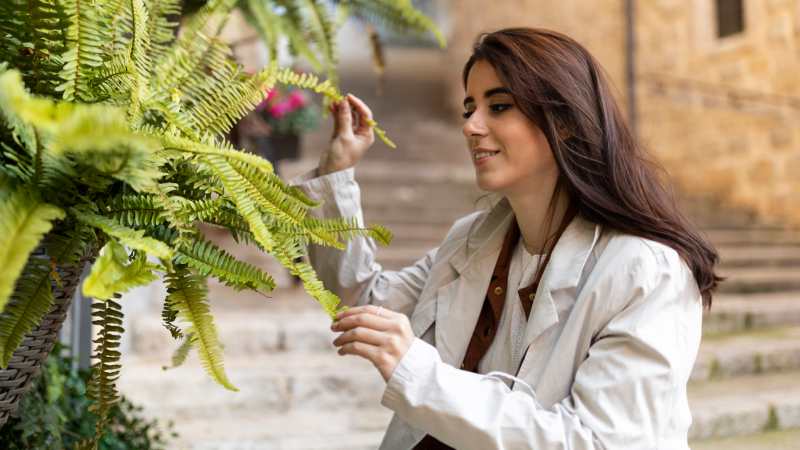
Designing an outdoor space is more than arranging plants and pathways. A well-planned landscape should serve practical purposes while also offering visual appeal. Whether you have a small backyard or a large garden, the right balance between usability and aesthetics can transform your space into something truly valuable. This guide will walk you through the essential steps, ideas, and principles to help you achieve a landscape that works efficiently and looks stunning at the same time.
Understanding the Purpose of Your Landscape
Before planting a single tree or laying any stones, it is important to understand how you intend to use your outdoor space. Every landscape should reflect the needs and lifestyle of its owner.
Think about whether you want:
- A relaxing retreat for quiet evenings
- A play area for children
- A space for entertaining guests
- A garden for growing vegetables or flowers
When you define the purpose clearly, it becomes easier to plan a layout that supports both function and beauty. This initial step lays the foundation for How to Create a Landscape That Combines Functionality and Beauty in a meaningful way.
Planning the Layout Carefully
A good layout ensures that your space is easy to navigate and visually pleasing. Start by dividing your landscape into zones based on activities. For example, you might have a seating area, a garden section, and a walkway connecting everything.
Keep these principles in mind:
- Flow and movement: Paths should feel natural and guide visitors smoothly
- Accessibility: Ensure all areas are easy to reach
- Balance: Avoid overcrowding one area while leaving another empty
Sketching your ideas on paper before implementation can help you visualize the final outcome and make better decisions.
Choosing the Right Plants
Plants are the heart of any landscape design. However, selecting them wisely is crucial for both functionality and appearance.
Consider the following factors:
- Climate compatibility: Choose plants that thrive in your local environment
- Maintenance level: Opt for low-maintenance plants if you have limited time
- Seasonal variation: Include plants that bloom in different seasons
Mixing trees, shrubs, and flowers creates depth and texture. A thoughtful combination ensures your landscape remains vibrant throughout the year while supporting the concept of How to Create a Landscape That Combines Functionality and Beauty.
Incorporating Hardscape Elements
Hardscaping refers to the non-living elements in your landscape, such as pathways, patios, walls, and decks. These features add structure and usability to your outdoor space.
Popular hardscape elements include:
- Stone or brick pathways
- Wooden decks or seating areas
- Retaining walls for slopes
- Water features like fountains
These elements not only enhance the visual appeal but also make the space more practical. For example, a well-placed patio can serve as a perfect gathering spot for family and friends.
Creating Functional Zones
Dividing your landscape into functional zones helps maximize its usability. Each zone should serve a specific purpose while blending seamlessly with the overall design.
Examples of zones include:
- Relaxation area: Comfortable seating with shade
- Dining space: Outdoor table and chairs
- Play area: Safe and open space for children
- Garden section: Dedicated area for plants or vegetables
By organizing your space in this way, you ensure that every part of your landscape has a purpose, contributing to both efficiency and beauty.
Using Lighting Effectively
Outdoor lighting plays a vital role in enhancing both safety and aesthetics. A well-lit landscape allows you to enjoy your space even after sunset.
Types of lighting to consider:
- Pathway lights for safe movement
- Accent lights to highlight plants or features
- String lights for a warm and inviting atmosphere
Good lighting design adds depth and character while also improving functionality, which is essential in achieving a balanced landscape.
Water Management and Irrigation
A functional landscape must include proper water management. Without it, even the most beautiful design can fail over time.
Key considerations:
- Install an efficient irrigation system
- Ensure proper drainage to prevent waterlogging
- Use mulch to retain soil moisture
These steps not only protect your plants but also reduce maintenance efforts. Efficient water use is an important part of How to Create a Landscape That Combines Functionality and Beauty.
Adding Personal Style
Your landscape should reflect your personality and taste. Adding unique elements can make your outdoor space more inviting and memorable.
Ideas to personalize your landscape:
- Decorative pots or sculptures
- Custom seating arrangements
- Unique plant combinations
- Color themes that match your home
While functionality is important, these personal touches bring life and character to your design.
Maintaining Balance Between Open and Filled Spaces
A common mistake in landscape design is overcrowding. While it may be tempting to fill every corner with plants or features, leaving some open space is equally important.
Open spaces:
- Provide visual relief
- Make the area feel larger
- Allow flexibility for future changes
A balanced approach ensures your landscape remains both practical and visually appealing.
Sustainability in Landscape Design
Modern landscaping emphasizes sustainability. A sustainable design not only benefits the environment but also reduces long-term costs.
Sustainable practices include:
- Using native plants
- Reducing water consumption
- Recycling materials for hardscaping
- Minimizing chemical use
These choices contribute to a healthier ecosystem while maintaining the beauty of your outdoor space.
Budget Planning
Creating a landscape does not have to be expensive. With proper planning, you can achieve great results within your budget.
Tips for budgeting:
- Prioritize essential features first
- Use cost-effective materials
- Complete the project in phases if needed
A clear budget helps you avoid unnecessary expenses while still achieving a high-quality design.
Common Mistakes to Avoid
Even with good intentions, certain mistakes can affect the outcome of your landscape.
Avoid these common errors:
- Ignoring the natural conditions of your site
- Overcomplicating the design
- Choosing plants that require excessive maintenance
- Neglecting proper planning
Being aware of these pitfalls will help you create a more successful and long-lasting landscape.
Final Thoughts
Designing an outdoor space that is both practical and beautiful requires thoughtful planning and creativity. By understanding your needs, choosing the right elements, and maintaining balance, you can transform any area into a functional and attractive landscape.
The key lies in combining usability with visual appeal in a way that feels natural and cohesive. When done correctly, your outdoor space becomes more than just a garden. It becomes a place where comfort, beauty, and purpose come together seamlessly.
By following these guidelines, you can confidently move forward with How to Create a Landscape That Combines Functionality and Beauty, turning your vision into a space that enhances both your lifestyle and your surroundings.